

AI Development Challenges Traditional Security Governance in Software Teams
- Securityish
- AI & Future Technology
Quick Summary
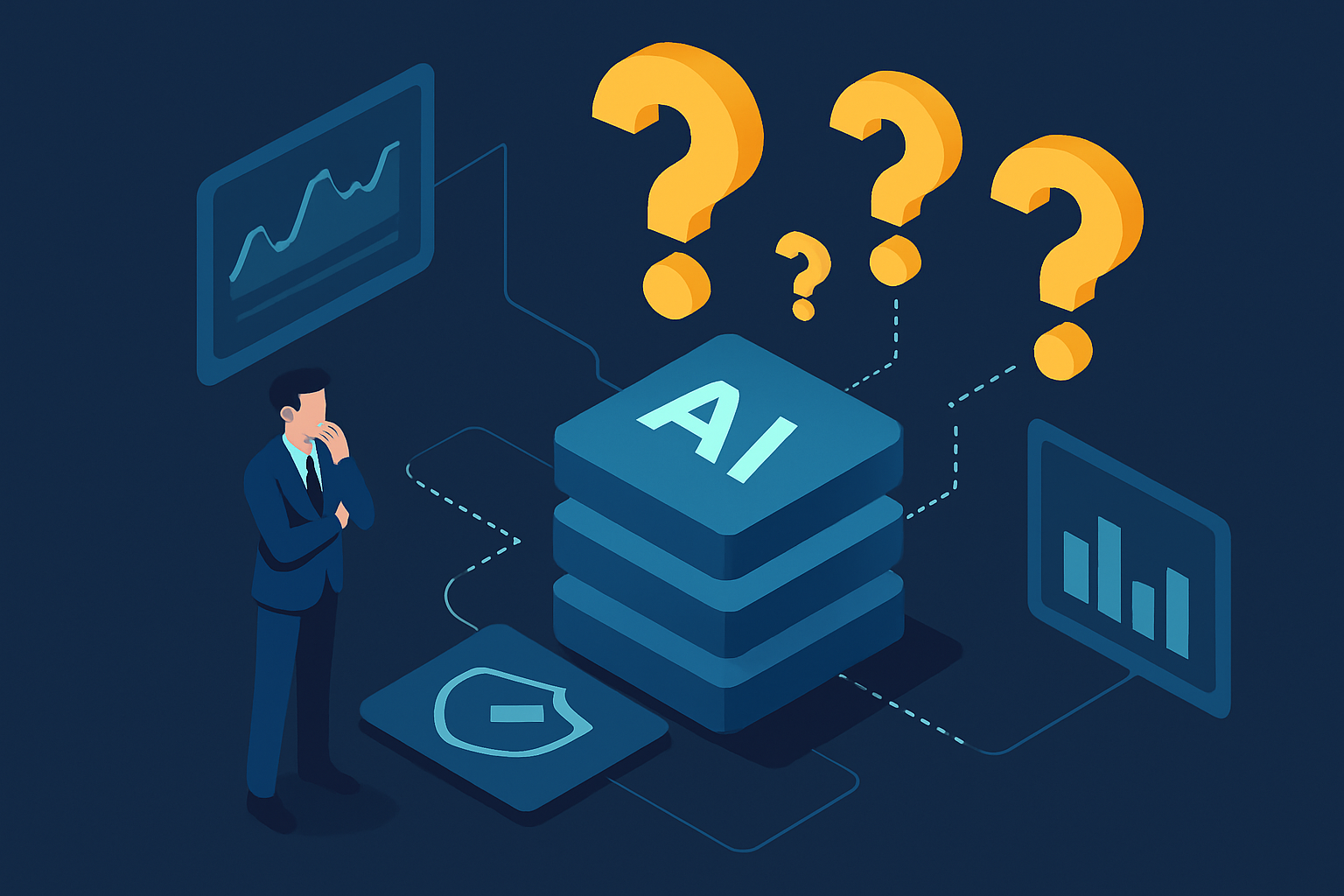
AI-assisted development is now standard, with 92% of developers using AI coding tools like GitHub Copilot and ChatGPT. This shift raises governance questions that traditional AppSec programs cannot address, particularly regarding auditability and traceability of AI-generated code. Organizations must adapt their security controls to ensure compliance and mitigate risks associated with AI-generated vulnerabilities.
The Securityish Brief
AI-led development has become a common practice, with GitHub reporting that 92% of developers utilize AI coding tools, contributing to over 40% of new code in many organizations. This rapid integration of AI creates challenges for traditional Application Security (AppSec) governance, which was not designed to handle the complexities introduced by AI-generated code. Security leaders are increasingly confronted with audit questions that reveal gaps in their existing frameworks.
During audits, organizations often struggle to provide documentation regarding AI-generated code. For instance, a financial services institution faced difficulties when auditors inquired about the percentage of AI-generated code versus human-written code and whether security policies were enforced prior to code commits. Traditional AppSec controls activate post-commit, allowing vulnerabilities to enter the codebase undetected.
Audit Questions Exposing Governance Gaps
As AI adoption accelerates, auditors are asking critical questions that expose weaknesses in traditional governance models. Key areas of concern include:
- Visibility & Discovery: Organizations lack complete visibility into AI usage, with many developers using unapproved tools like GitHub Copilot and ChatGPT.
- Policy & Governance: Auditors want to know if policies governing AI-generated code are enforced and how compliance is demonstrated.
- Control Enforcement: Organizations struggle to prove that controls were enforced before AI-generated code reached production.
- Traceability & Evidence: Many cannot reconstruct AI-assisted development decisions, making it difficult to understand how code was generated.
To address these challenges, security teams must shift their controls earlier in the Software Development Life Cycle (SDLC). This pre-commit governance model emphasizes real-time visibility, inline policy enforcement, and automatic evidence collection at the point of code generation.
Leading security teams are adapting by accepting AI as a permanent aspect of development, shifting security left to the developer endpoint, and maintaining continuous evidence collection for audit readiness. By doing so, they can demonstrate compliance and effectively manage the risks associated with AI-generated code.
Key Takeaways
- Assess your organization’s current AI tool usage and ensure all tools are approved for development tasks.
- Implement real-time monitoring to track AI-generated code and enforce security policies at the point of generation.
- Establish clear documentation and evidence collection processes for AI-assisted development activities.
- Train developers on the importance of compliance with AI governance policies and the implications of using unapproved tools.
- Regularly review and update security policies to address the evolving landscape of AI in software development.
Key Terms & Concepts
- AppSec: In this article, AppSec refers to Application Security, which focuses on protecting applications from security threats.
- SDLC: In this article, SDLC stands for Software Development Life Cycle, the process of planning, creating, testing, and deploying software.
- SOC 2 Type II audit: In this article, a SOC 2 Type II audit assesses an organization’s controls related to security, availability, processing integrity, confidentiality, and privacy.
- GitHub Copilot: In this article, GitHub Copilot is an AI-powered coding assistant that helps developers write code more efficiently.
- Shadow AI: In this article, Shadow AI refers to the use of AI tools by developers without formal approval from their organization.
Read the original article here: https://securityboulevard.com/2026/01/executive-brief-questions-ai-is-creating-that-security-cant-answer-today/
Your 5-Minute Securityish Brief
A weekly digest of cybersecurity news, phishing alerts, privacy tips, and emerging threats, simplified so anyone can understand what matters and why.

Securityish
Securityish explains cybersecurity, scams, data breaches, and privacy risks in simple language so you know what’s happening and how to protect yourself.

Navigation
Your 5-Minute Cybersecurity Brief
A weekly digest of cybersecurity news, phishing alerts, privacy tips, and emerging threats, simplified so anyone can understand what matters and why.
© 2026 Securityish
