

Quick Summary
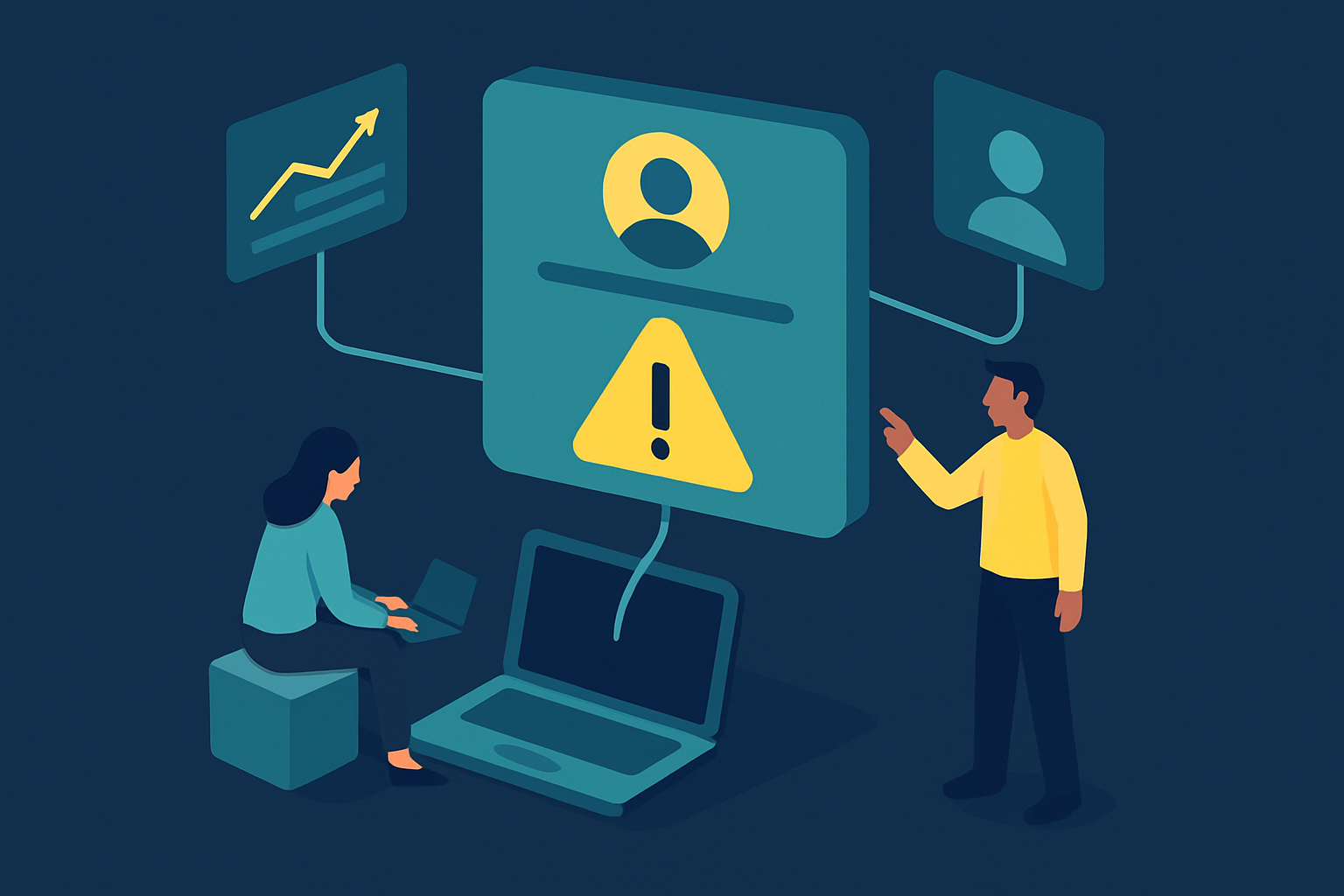
A woman from Chicago lost thousands of dollars due to a Remote Invite Scam, where hackers accessed her sensitive information through a fraudulent email invitation. This incident highlights a growing trend in cyber fraud affecting individuals nationwide, particularly older users who may be less aware of such tactics. Experts warn that these scams exploit social engineering, making them difficult to detect until after financial damage has occurred.
The Securityish Brief
A woman from Chicago recently reported falling victim to a Remote Invite Scam, resulting in significant financial loss. The attackers sent an email that appeared to come from a friend, tricking her into clicking on a fraudulent invite. Once she granted access to her device, the hackers compromised her financial information and stole money directly from her accounts. This incident occurred in Arlington Heights and was covered by ABC7, underscoring the rising threat of such scams.
Cybersecurity experts emphasize that Remote Invite Scams are particularly dangerous due to their reliance on social engineering rather than technical hacking. By mimicking trusted contacts, scammers can bypass typical security awareness, leaving victims unaware of the threat until it is too late. The trend is concerning, especially as older internet users are often the primary targets, being less familiar with newer scam techniques.
Authorities are urging the public to exercise caution when receiving unexpected invites or links, even if they seem to come from friends or family. Verifying the sender through a separate communication channel and avoiding unsolicited remote access requests are crucial steps in reducing risk. Keeping security software updated is also recommended to help protect against these evolving threats.
Understanding the Risks of Remote Invite Scams
As cybercriminal tactics evolve, incidents like this highlight the need for constant vigilance in online safety. Increased awareness and education, particularly among older users, may be key to preventing future victims from falling prey to these scams. Recognizing the signs of a Remote Invite Scam can help users safeguard their personal and financial information.
- Remote Invite Scam: A type of fraud where hackers gain access to sensitive information through seemingly legitimate online invitations.
- Social Engineering: A manipulation technique used by scammers to exploit personal relationships and gain trust.
- Cybersecurity Professionals: Experts who study and combat cyber threats, including scams like Remote Invite Scams.
- Financial Information: Sensitive data such as banking credentials that can be compromised in these scams.
Key Takeaways
- Always verify the sender of unexpected emails or invitations through a separate communication channel.
- Be cautious about clicking on links or accepting remote access requests, even from known contacts.
- Keep your security software updated to protect against evolving cyber threats.
- Educate yourself and others, especially older users, about common scam tactics to enhance awareness.
- Monitor your financial accounts regularly for any unauthorized transactions.
Key Terms & Concepts
- Remote Invite Scam: In this article, a Remote Invite Scam refers to a type of online fraud where hackers trick users into granting access to their sensitive information through fraudulent invitations.
- Social Engineering: Social engineering is a manipulation technique used by scammers to exploit personal relationships and gain trust, making it easier to deceive victims.
- Cybersecurity Professionals: Cybersecurity professionals are experts who study and combat cyber threats, including scams like Remote Invite Scams.
- Financial Information: Financial information refers to sensitive data such as banking credentials that can be compromised in scams.
Read the original article here: https://www.cybersecurity-insiders.com/remote-invite-scams-are-on-the-rise-in-america/
Your 5-Minute Securityish Brief
A weekly digest of cybersecurity news, phishing alerts, privacy tips, and emerging threats, simplified so anyone can understand what matters and why.

Securityish
Securityish explains cybersecurity, scams, data breaches, and privacy risks in simple language so you know what’s happening and how to protect yourself.

Navigation
Your 5-Minute Cybersecurity Brief
A weekly digest of cybersecurity news, phishing alerts, privacy tips, and emerging threats, simplified so anyone can understand what matters and why.
© 2026 Securityish
