

Understanding Passkey Vulnerabilities and Exploits in Account Security
- Securityish
- Privacy & Personal Security
Quick Summary
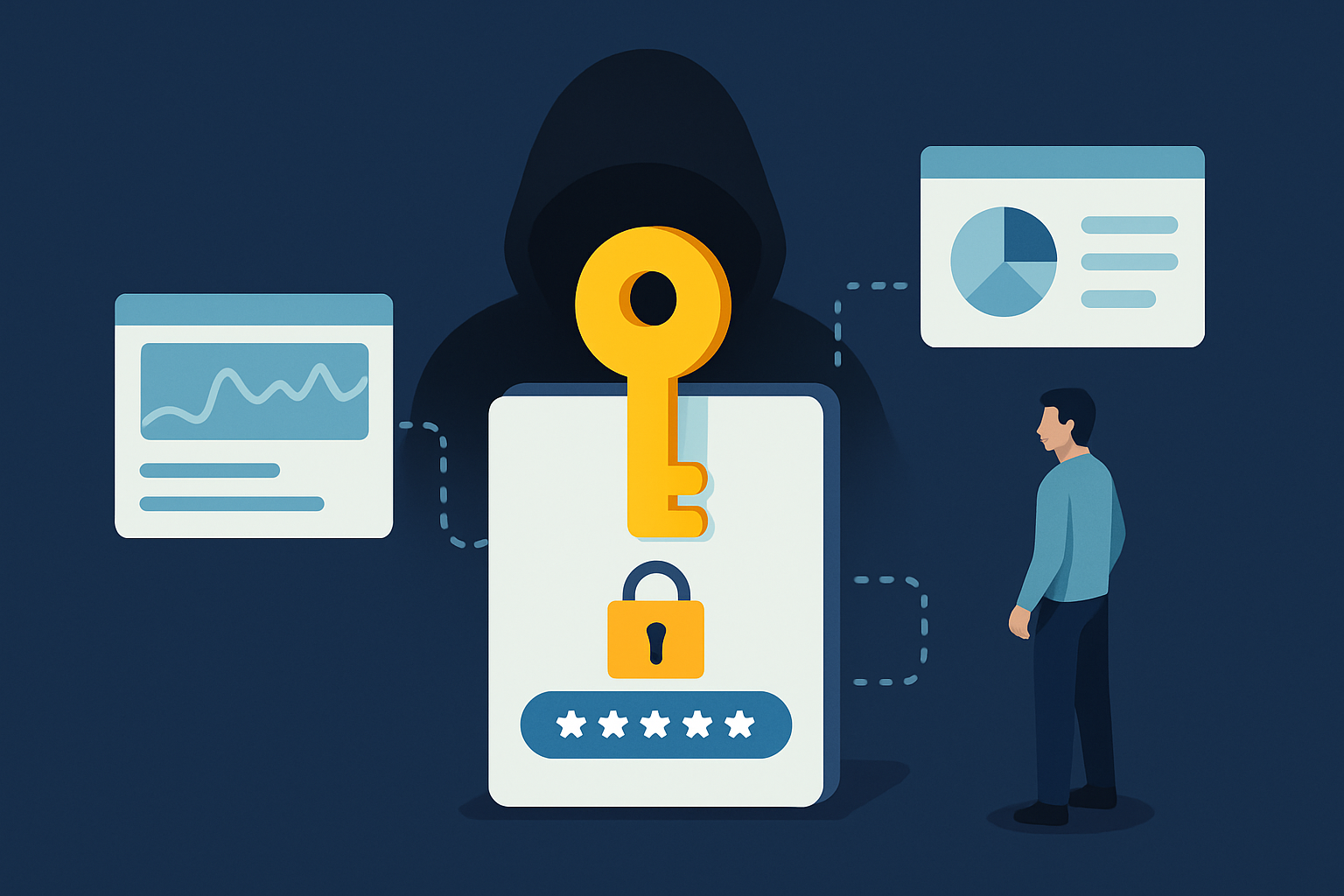
Passkeys, often seen as a secure authentication method, are not immune to exploitation. A recent vulnerability, CVE-2024-9956, highlighted flaws in how Bitwarden’s browser extension managed passkey requests, potentially allowing account takeovers. This incident underscores that while passkeys enhance security against phishing, they can still be compromised through implementation errors and social engineering tactics.
The Securityish Brief
Passkeys utilize FIDO2 and public key cryptography to enhance security by eliminating shared secrets and resisting phishing attempts. However, recent discussions surrounding CVE-2024-9956 reveal that even systems designed to be secure can have critical flaws. In this case, a vulnerability in Bitwarden’s browser extension allowed attackers to potentially trick the vault into releasing incorrect credentials, highlighting the risks associated with passkey management.
Technical vulnerabilities can arise from improper validation during registration, where an API fails to check the origin, allowing attackers to inject their credentials. Additionally, synchronization issues, as seen in the Bitwarden case, can lead to complete account takeovers if passkeys are not handled correctly. Broken session management further complicates security, as it can allow unauthorized access even after a secure login.
Physical security remains a concern, as attackers can exploit unlocked devices. Many systems revert to a simple PIN if biometric authentication fails, which can be easily observed and compromised in public settings. Older biometric sensors may also be susceptible to spoofing through high-resolution images or 3D prints.
Session hijacking is a significant threat, as attackers can steal session cookies through malware or cross-site scripting (XSS) attacks, allowing them to impersonate users without needing their passkeys. This highlights that while passkeys enhance initial security, they do not protect user sessions once logged in.
Social engineering tactics continue to pose risks in a passwordless environment. Attackers may trick users into registering malicious hardware as a backup device or prompt them with fake security upgrades that register unauthorized credentials. Weak verification processes in Customer Identity and Access Management (CIAM) systems can exacerbate these risks.
Developers play a crucial role in preventing these exploits by ensuring strict verification processes and robust backend logic. Implementing origin checks, managing challenges effectively, and verifying attestation statements are essential steps to enhance security. Monitoring for unusual patterns, such as multiple passkey registrations in a short time, can also help identify potential threats.
Despite the challenges, adopting passkeys can significantly reduce phishing risks and improve user experience by eliminating password-related issues. A 2024 report by Verizon indicates that stolen credentials remain a leading cause of breaches, making passkeys a valuable tool for enhancing security.
- Bitwarden: A password manager that faced a vulnerability (CVE-2024-9956) allowing potential account takeovers due to improper handling of passkey requests.
- FIDO2: A standard for secure authentication that underpins the functionality of passkeys, enhancing security against phishing.
- CIAM: Customer Identity and Access Management systems that may have weak verification processes, making them susceptible to social engineering attacks.
- MojoAuth: A solution that enforces strict identity verification before adding new keys, improving security against unauthorized access.
Key Takeaways
- Regularly update your password manager and monitor for any reported vulnerabilities.
- Enable two-factor authentication (2FA) wherever possible to add an extra layer of security.
- Be cautious of unsolicited support requests and verify the identity of anyone asking for access to your accounts.
- Use strong, unique passkeys and avoid reusing them across different services.
- Regularly review your account activity for any unauthorized changes or logins.
Key Terms & Concepts
- CVE-2024-9956: This refers to a specific vulnerability in Bitwarden that could allow account takeovers due to flaws in passkey request handling.
- FIDO2: FIDO2 is a set of standards for secure authentication that helps prevent phishing by using public key cryptography.
- CIAM: Customer Identity and Access Management (CIAM) systems manage user identities and access but can have weak verification processes.
- Session Hijacking: Session hijacking is a method where attackers steal session cookies to impersonate users after they have logged in.
- MojoAuth: MojoAuth is an authentication solution that improves security by enforcing strict identity verification before adding new keys.
Read the original article here: https://securityboulevard.com/2026/01/can-passkeys-be-exploited-for-account-access/
Your 5-Minute Securityish Brief
A weekly digest of cybersecurity news, phishing alerts, privacy tips, and emerging threats, simplified so anyone can understand what matters and why.

Securityish
Securityish explains cybersecurity, scams, data breaches, and privacy risks in simple language so you know what’s happening and how to protect yourself.

Navigation
Your 5-Minute Cybersecurity Brief
A weekly digest of cybersecurity news, phishing alerts, privacy tips, and emerging threats, simplified so anyone can understand what matters and why.
© 2026 Securityish
