

Quick Summary
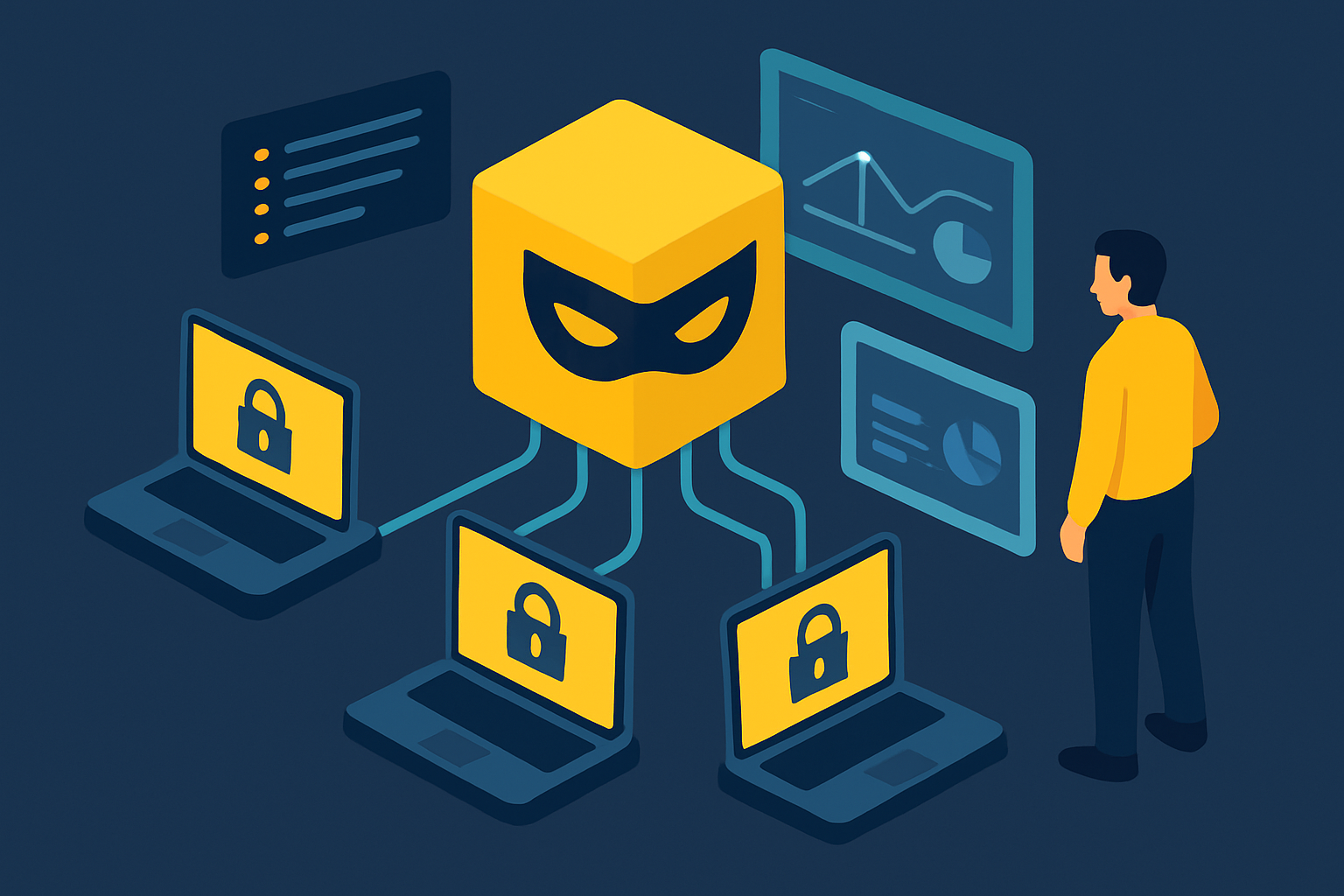
The Kimwolf botmasters have reportedly compromised the control panel of Badbox 2.0, a botnet infecting over 10 million Android TV streaming devices. This botnet, which has been linked to advertising fraud, has been under investigation by both the FBI and Google. The incident highlights the risks associated with unofficial Android TV boxes that often come pre-installed with malware, exposing users to potential unauthorized access and exploitation.
The Securityish Brief
The Kimwolf botmasters have gained unauthorized access to the Badbox 2.0 botnet control panel, which is significant given that Badbox 2.0 has infected over 10 million Android streaming devices. This botnet is known for engaging in advertising fraud and has been a target of investigations by the FBI and Google. The compromise was revealed when a screenshot surfaced showing seven authorized users, including one linked to Kimwolf’s administrator, Dort.
Badbox 2.0 has a history dating back to 2023, with its original campaign disrupted in 2024. Google filed a lawsuit in July 2025 against unidentified defendants associated with Badbox 2.0, highlighting how cybercriminals configure devices with malware before purchase or infect them during app downloads. The FBI had previously issued warnings about these tactics.
The screenshot of the control panel revealed that Dort had somehow added their email as a valid user, indicating a breach of security protocols. This access allows Kimwolf to potentially load malware directly onto devices linked to Badbox 2.0, creating a significant risk for users of these devices.
Implications for Users and Organizations
This incident underscores the vulnerabilities associated with unofficial Android TV boxes, which are often marketed for pirated content. Users should be aware that these devices may come pre-installed with malicious software, putting their home networks at risk.
Organizations and individuals using such devices should monitor their networks for unusual activity and consider the security implications of using devices without proper vetting. The ability of Kimwolf to exploit residential proxy services to gain access to local networks further complicates the security landscape.
As the situation develops, it is crucial for users to remain vigilant about the security of their devices and to be cautious about downloading apps from unofficial sources, as these can harbor malware that compromises their systems.
- Badbox 2.0: A botnet of over ten million unsanctioned Android streaming devices engaged in advertising fraud.
- Kimwolf: A botnet that has infected more than 2 million devices and uses invasive methods to spread.
- Dort: An administrator of the Kimwolf botnet who has gained unauthorized access to the Badbox 2.0 control panel.
- FBI: The Federal Bureau of Investigation, which has warned about unauthorized access to home networks via compromised devices.
- Google: Filed a lawsuit against unidentified defendants operating Badbox 2.0, highlighting the risks of pre-configured malware.
Key Takeaways
- Check your Android TV box for any signs of unauthorized access or unusual behavior.
- Avoid purchasing unofficial Android TV boxes that may come pre-installed with malware.
- Regularly update your device software to protect against known vulnerabilities.
- Monitor your home network for any suspicious activity, especially from IoT devices.
- Be cautious when downloading apps from unofficial marketplaces, as they may contain malware.
Key Terms & Concepts
- Badbox 2.0: In this article, Badbox 2.0 refers to a botnet of over ten million Android streaming devices involved in advertising fraud.
- Kimwolf: Kimwolf is a botnet that has infected more than 2 million devices and uses invasive methods to spread.
- FBI: The FBI, or Federal Bureau of Investigation, is a U.S. government agency that investigates cyber crimes and issued warnings about compromised devices.
- Google lawsuit: In this article, the Google lawsuit refers to a legal action filed against unidentified defendants operating Badbox 2.0.
- Unauthorized access: Unauthorized access refers to gaining entry to a system or network without permission, as seen with the Kimwolf botmasters accessing Badbox 2.0.
Read the original article here: https://krebsonsecurity.com/2026/01/who-operates-the-badbox-2-0-botnet/
Your 5-Minute Securityish Brief
A weekly digest of cybersecurity news, phishing alerts, privacy tips, and emerging threats, simplified so anyone can understand what matters and why.

Securityish
Securityish explains cybersecurity, scams, data breaches, and privacy risks in simple language so you know what’s happening and how to protect yourself.

Navigation
Your 5-Minute Cybersecurity Brief
A weekly digest of cybersecurity news, phishing alerts, privacy tips, and emerging threats, simplified so anyone can understand what matters and why.
© 2026 Securityish
