

US Charges 31 Individuals Linked to Tren de Aragua ATM Malware Scheme
- Securityish
- Threats & Incidents
Quick Summary
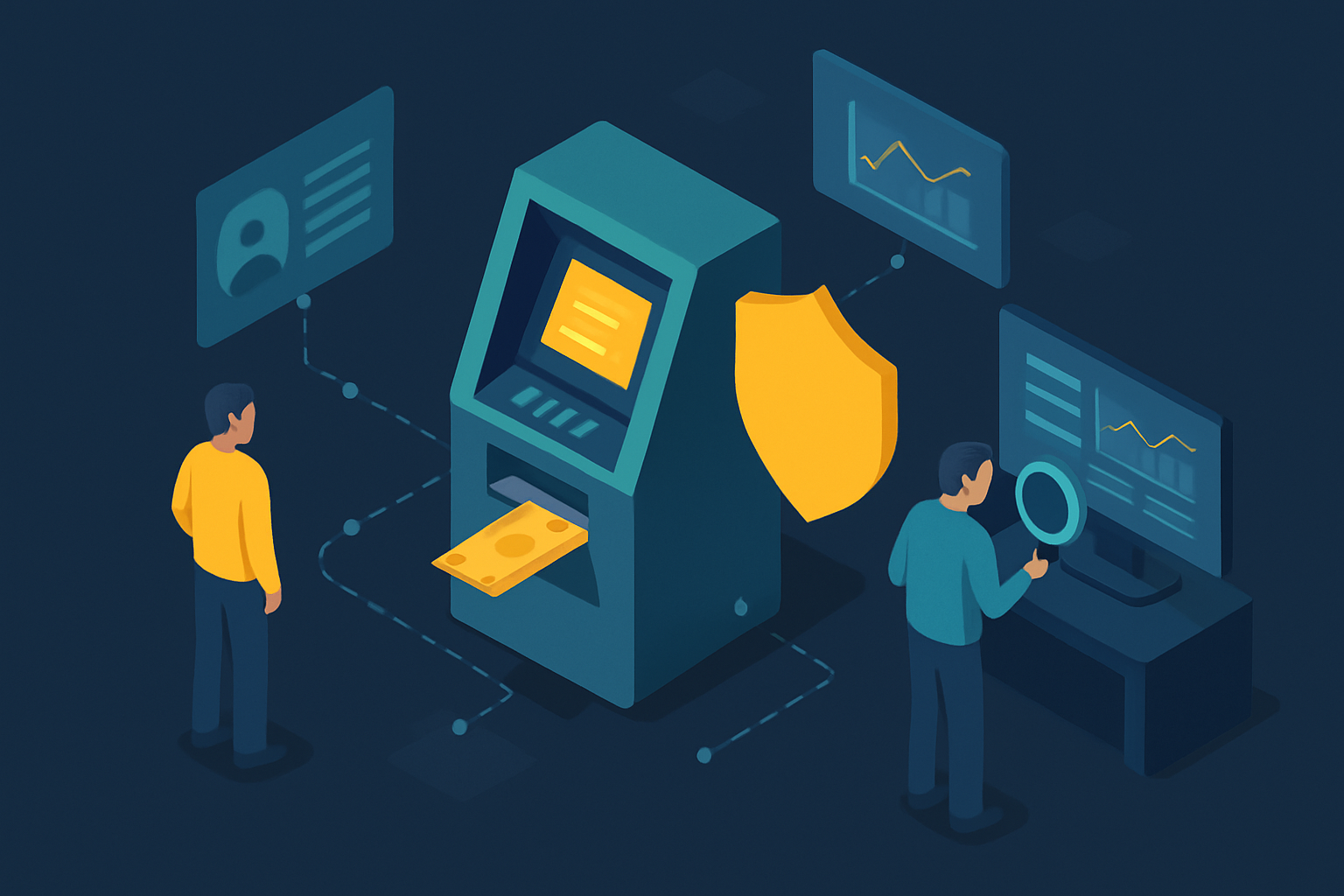
A Nebraska federal grand jury has charged 31 defendants in connection with an ATM jackpotting operation linked to the Venezuelan gang Tren de Aragua. This follows previous indictments involving 54 suspects, with charges including conspiracy and bank fraud. The operation utilized Ploutus malware to steal millions from ATMs nationwide, highlighting significant risks to U.S. financial institutions and the potential for extensive criminal penalties for those involved.
The Securityish Brief
A Nebraska federal grand jury has indicted 31 additional suspects for their roles in an ATM jackpotting scheme allegedly orchestrated by the Venezuelan gang Tren de Aragua (TdA). This indictment adds to previous charges against 54 individuals, with the latest indictment including 32 counts related to the deployment of Ploutus malware. The malware was reportedly used to steal millions of dollars from ATMs across the United States.
The suspects, many of whom are Venezuelan and Colombian nationals, are part of a criminal organization designated as a Foreign Terrorist Organization by the U.S. Department of the Treasury’s Office of Foreign Assets Control (OFAC). The Justice Department has charged a total of 87 members of TdA over the past six months, with potential prison sentences ranging from 20 to 335 years for those convicted.
The Ploutus malware was installed on ATMs by first opening the machines and then either replacing hard drives with pre-loaded ones or connecting thumb drives. Once the malware was active, it allowed the attackers to delete evidence and command the ATMs to dispense cash until they were empty. The stolen funds were then laundered among the crime ring’s members.
Implications for Financial Security
This series of indictments underscores the growing threat posed by sophisticated cybercriminal organizations like TdA. The use of malware to compromise ATMs not only results in significant financial losses for banks but also raises concerns about the security of financial systems overall. As these attacks become more prevalent, financial institutions must enhance their security measures to protect against similar threats.
Everyday users should also be aware of the risks associated with ATM usage, especially in areas known for high criminal activity. Monitoring bank statements for unauthorized transactions and reporting suspicious activity can help mitigate personal financial risks.
Organizations should consider implementing stronger cybersecurity protocols, including regular audits of ATM security, employee training on recognizing potential threats, and investing in advanced security technologies to detect and prevent malware attacks.
Key Takeaways
- Monitor your bank statements regularly for any unauthorized transactions.
- Report any suspicious activity at ATMs to your bank immediately.
- Consider using ATMs located in well-lit, secure areas to reduce risk.
- Stay informed about the latest cybersecurity threats and best practices to protect your financial information.
- Encourage your organization to conduct regular security audits of ATM systems and employee training on cybersecurity awareness.
Key Terms & Concepts
- Ploutus malware: In this article, Ploutus malware refers to malicious software used to compromise ATMs and steal cash.
- Tren de Aragua: Tren de Aragua is a Venezuelan gang that has evolved from a prison gang to a transnational criminal organization and is now designated as a Foreign Terrorist Organization.
- ATM jackpotting: ATM jackpotting is a type of attack where criminals use malware to force ATMs to dispense cash fraudulently.
Read the original article here: https://www.bleepingcomputer.com/news/security/us-charges-31-more-suspects-linked-to-atm-malware-attacks/
Your 5-Minute Securityish Brief
A weekly digest of cybersecurity news, phishing alerts, privacy tips, and emerging threats, simplified so anyone can understand what matters and why.

Securityish
Securityish explains cybersecurity, scams, data breaches, and privacy risks in simple language so you know what’s happening and how to protect yourself.

Navigation
Your 5-Minute Cybersecurity Brief
A weekly digest of cybersecurity news, phishing alerts, privacy tips, and emerging threats, simplified so anyone can understand what matters and why.
© 2026 Securityish
